Showing posts with label fun. Show all posts

Thursday, April 29, 2010

ക്രിക്കെറ്റ്, സ്വാതന്ത്ര്യം, കച്ചവടം


ആര്‍ രാംകുമാര്‍

ക്രിക്കെറ്റും ഐ പി എല്ലുമായി ബന്ധപ്പെട്ട ഏറ്റവും ദുര്‍ഗന്ധപൂര്‍ണമായ അഴിമതി കഥകളുടെ ദിനങ്ങളാണല്ലോ കടന്നു പോകുന്നത്. ജനപ്രതിനിധികളും വന്‍കിട കുത്തകകളും തമ്മില്‍ നിലനില്‍ക്കുന്ന ദുഷിച്ച സാമ്പത്തിക ബന്ധങ്ങള്‍ മറനീക്കി പുറത്തു വരികയാണ്. മുതലാളിത്തത്തിന്റെ ഇന്നത്തെ ഉയര്‍ന്ന രൂപത്തില്‍, പണം കളിയെ പൂര്‍ണമായും കീഴടക്കുന്ന പ്രക്രിയ മധ്യവര്‍ഗങ്ങള്‍ക്കിടയില്‍ പോലും വലിയ പ്രതിഷേധം സൃഷ്ടിച്ചിരിക്കുന്നു. മുതലാളിത്തത്തിനുള്ളില്‍ കളിയുടെയും കളിക്കാരുടെയും വിനോദത്തിന്റെയും ചരക്കുവല്‍ക്കരണം വലിയ തോതില്‍ നടക്കും എന്നത് ഒരു അദ്ഭുതമോ പുതുമയുള്ള വിഷയമോ അല്ല. എന്നാല്‍ ഇന്ന് ഏവരെയും, മുതലാളിത്ത വക്താക്കളെ പോലും, അമ്പരിപ്പിക്കുന്നത് ഈ ചരക്കുവല്‍ക്കരണത്തിന്റെ ആഴവും വലിപ്പവും ആണ്.

ഈ ചെറുലേഖനത്തിന്റെ മുഖ്യലക്‌ഷ്യം നമുക്കിടയില്‍ ചുരുള്‍ നിവര്‍ത്തുന്ന ക്രിക്കെറ്റിന്റെയും കളിക്കാരുടെയും ഇന്നത്തെ ചരക്കുവല്‍ക്കരണത്തെ അല്പം ചരിത്രപരമായി വിലയിരുത്തുകയാണ്. ക്രിക്കെറ്റും മാര്‍ക്സിസ്റ്റുകാരും തമ്മിലുള്ള ബന്ധത്തെ പലരും പലപ്പോഴും അല്പം സംശയത്തോടെയാണ് കാണുന്നത്. ചില ഉദാഹരണങ്ങള്‍: ക്രിക്കെറ്റ് ഒരു ഫ്യൂഡല്‍ വിനോദമാണ്‌. അത് കോളോണിയല്‍ കാലഘട്ടത്തില്‍ ബ്രിട്ടീഷുകാര്‍ കളിച്ചിരുന്ന കളിയാണ്. അധികം ശാരീരികബലം ആവശ്യമില്ലാത്ത, അധികം തളരെണ്ടതില്ലാത്ത, അധികം ദേഹം അനങ്ങേണ്ടീടാത്ത ഈ കളിയില്‍ മാര്‍ക്സിസ്റ്റുകാര്‍ ശ്രദ്ധിക്കുന്നത് ശരിയല്ല. ഇങ്ങനെ പോകുന്നു കളിയാക്കലുകള്‍. എന്നാല്‍ ക്രിക്കെറ്റിന്റെ തുറന്ന വാനിജ്ജ്യവല്‍ക്കരണത്തിന്റെ ഈ കാലഘട്ടത്തില്‍, ക്രിക്കെറ്റിനെ ചരിത്രപരമായി പരിശോധിച്ച് ചില ഓര്‍മപ്പെടുത്തലുകള്‍ ഈ അവസരത്തില്‍ ആവശ്യമാണ്‌ എന്ന് തോന്നുന്നു.

മേല്‍പ്പറഞ്ഞ കളിയാക്കലുകള്‍ പൂര്‍ണമായും ചരിത്രനിഷേധപരമായ ഒരു കാഴ്ചപ്പാടില്‍ നിന്നുമാണ് വരുന്നത് എന്ന് പറയാതെ വയ്യ. പലര്‍ക്കും അദ്ഭുതം ആയി തോന്നിയേക്കാം, ആധുനിക സ്പോര്‍ട്സിന്റെ സോഷ്യോലോജിയെ കുറിച്ച് എഴുതപ്പെട്ട ഗ്രന്ഥങ്ങളില്‍ കൂടുതലും മാര്‍ക്സിസ്റ്റു കാഴ്ചപ്പാടില്‍ നിന്നുമാണ്. സ്പോര്‍ട്സും സമൂഹവും തമ്മിലുള്ള ആഴത്തിലുള്ള ബന്ധം സ്പോര്‍ട്സിന്റെയും കളിക്കാരുടെയും സാമൂഹ്യ പരിസരത്തിനു ഒരു തരം "സാംസ്കാരിക രാഷ്ട്രീയം" (cultural politics) പകര്‍ന്നു കൊടുക്കുന്നു എന്നതാണ് ഈ പഠനങ്ങളുടെ സാരം. ഈ സാംസ്കാരിക രാഷ്ട്രീയത്തിന് ചരിത്രപരമായ ചൂഷണ സാഹചര്യങ്ങളില്‍, അവക്കെതിരെയുള്ള പോരാട്ടങ്ങളുടെ പശ്ചാത്തലത്തില്‍, ഒരു വിമോചന സ്വഭാവം കൈവരുന്നു എന്നാണ് ഈ പണ്ഡിതന്മാര്‍ അഭിപ്രായപ്പെട്ടിട്ടുള്ളത്.

സി എല്‍ ആര്‍ ജെയിംസ്‌: കറുത്ത വര്‍ഗ ക്രിക്കെറ്റിന്റെ മാര്‍ക്സിസ്റ്റ്‌ ചരിത്രകാരന്‍


ക്രിക്കെറ്റിന്റെ വിമോചനസ്വഭാവങ്ങളെ പറ്റി എഴുതിയ ധിഷണാശാലികളില്‍ ഏറ്റവും പ്രശസ്തനാണ് സി എല്‍ ആര്‍ ജെയിംസ്‌. അദ്ദേഹം എഴുതിയ Beyond a Boundary എന്ന പുസ്തകം ലോകത്ത് ഇന്ന് വരെ എഴുതപ്പെട്ടിട്ടുള്ള ഏറ്റവും പ്രധാനപ്പെട്ട കായിക ഗ്രന്ഥം ആണ് എന്നാണ് ഈ അടുത്ത കാലത്ത് ബ്രിട്ടനിലെ ഗാര്‍ഡിയന്‍ പത്രം വിലയിരുത്തിയത്. ഒരു കടുത്ത ട്രോട്സ്കിയിസ്റ്റും സോവിയറ്റ് വിരുദ്ധനുമായിരുന്നു എങ്കിലും, ഒരു മാര്‍ക്സിസ്റ്റു പണ്ഡിതനായിരുന്നു ജെയിംസ്‌. മാര്‍ക്സിസ്റ്റു ഫിലോസോഫിയില്‍, പ്രത്യേകിച്ച് വൈരുദ്ധ്യാത്മകതയെ കുറിച്ച്, അനേകം ഗ്രന്ഥങ്ങള്‍ രചിച്ചിട്ടുള്ള ജെയിംസ്‌ ജനിച്ചത്‌ 1901-ഇല്‍ വെസ്റ്റ് ഇന്‍ഡീസ് എന്നറിയപ്പെടുന്ന ദ്വീപ്‌ സമൂഹത്തിലെ ട്രിനിടാഡ് എന്ന ദ്വീപിലാണ്. വെസ്റ്റ് ഇന്‍ഡീസ് ക്രിക്കെറ്റ് ടീമിന് വേണ്ടി കളിച്ചിട്ടുള്ള ഒട്ടനവധി പ്രശസ്ത കളിക്കാര്‍ ട്രിനിടാഡ് ദ്വീപില്‍ നിന്നുള്ളവരാണ്: ലിയരീ കൊന്സ്ടാന്ടേന്, വെസ്ലീ ഹാള്‍, ബ്രയാന്‍ ലാറ, ഗസ് ലോഗീ, ഇയാന്‍ ബിഷപ്പ് എന്നിവര്‍ അവരില്‍ ചിലര്‍.


ക്രൂരമായ ബ്രിട്ടീഷ്‌ ഭരണത്തിന് കീഴിലായിരുന്നു ഈ ദ്വീപു സമൂഹം ഇരുപതാം നൂറ്റാണ്ടിന്റെ തുടക്കത്തില്‍. കറുത്ത വര്‍ഗക്കാര്‍ കൂടുതലും ബ്രിട്ടീഷ്‌ ഭരണത്തിന്‍ കീഴില്‍ അടിമ സ്വഭാവമുള്ള പണിയെടുത്തിരുന്നവര്‍ ആയിരുന്നു. ഈ ദ്വീപുകളില്‍ ക്രിക്കെറ്റിന്റെ തുടക്കം പത്തൊമ്പതാം നൂറ്റാണ്ടിന്റെ തുടക്കത്തില്‍ ബ്രിട്ടീഷ്‌ ഭരണാധികാരികള്‍ വഴിയായിരുന്നു. എന്നാല്‍ ബ്രിട്ടിഷുകാര്‍ മാത്രം കളിച്ച ഒരു കളിയായി ക്രിക്കെറ്റ് നിലനിന്നില്ല. വേഗത്തില്‍ തന്നെ ഒരു ഹരമായി ദ്വീപു സമൂഹം മുഴുവനും അത് പടര്‍ന്നു പിടിച്ചു. ബ്രിട്ടിഷുകാരുടെ വര്‍ണവിവേചനം, ദ്വീപുകളിലെ വിവിധ വര്‍ണസമുദായങ്ങള്‍ തമ്മിലുള്ള ഏറ്റുമുട്ടലുകള്‍ ഇവയൊക്കെ തന്നെ ക്രിക്കെറ്റിലും വലിയ തോതില്‍ പ്രതിഫലിച്ചു എന്ന് ജെയിംസ്‌ എഴുതുന്നു. ബ്രിട്ടിശുകാരുടെയോ വെസ്റ്റ് ഇന്‍ഡീസ് ദ്വീപുകളുടെയോ ചരിത്രം എഴുതണമെങ്കില്‍ ക്രിക്കെറ്റ് കളിയെ പരാമര്‍ശിക്കാതെ കഴിയില്ല എന്ന ഉറച്ച അഭിപ്രായക്കാരനായിരുന്നു ജെയിംസ്‌.

ഇവിടെ നിന്നാണ് ജെയിംസ്‌ ക്രിക്കെറ്റിന്റെ സാമൂഹ്യ പ്രാധാന്യത്തെ കുറിച്ച് പറഞ്ഞു തുടങ്ങുന്നത്. 'What do they know of cricket who only cricket know?'" ("ക്രിക്കെറ്റ് കളി മാത്രമറിയാവുന്നവര്‍ക്ക് ക്രിക്കെറ്റ് കളിയെ കുറിച്ച് എന്തറിയാം?") എന്ന പ്രശസ്തമായ തന്റെ ചോദ്യവുമായിട്ടാണ് ജെയിംസ്‌ ആരംഭിക്കുന്നത്. ഒരു കളി മാത്രമായിരുന്നില്ല ക്രിക്കെറ്റ്, മറിച്ച് വെസ്റ്റ് ഇന്‍ഡീസിലെ പ്രത്യേക കോളോണിയല്‍ കാലഘട്ടത്തില്‍, അത് ഒരു ചൂഷിത സമൂഹത്തിന്റെ സ്വപ്നങ്ങളുടെയും അഭിലാഷങ്ങളുടെയും മൂര്‍ത്ത രൂപമായിരുന്നു. വെസ്റ്റ് ഇന്‍ഡീസിലെ കറുത്ത വര്‍ഗക്കാരുടെ വിമോചനത്തിന്റെ ചരിത്രം പഠിപ്പിക്കുന്നത്‌ ഇതാണ് എന്നാണ് ജെയിംസ്‌ വാദിച്ചത്.

ജയിംസിന്റെ അഭിപ്രായത്തില്‍ ക്രിക്കെറ്റ് ഒരു വെറും വിനോദം മാത്രമല്ല, മറിച്ച്, കവിത, ചിത്രകല, എഴുത്ത് തുടങ്ങിയ മേഖലകളുമായി താരതമ്യപ്പെടുതാവുന്ന ഒരു സാംസ്കാരിക രൂപമാണ്. ഈ രൂപത്തിന്റെ പ്രകടനത്തിനാകട്ടെ, മനുഷ്യരുടെ ദൈനംദിന ജീവിതത്തിലെ ഭൌതിക സാഹചര്യങ്ങളുമായി അബെദ്ധ്യമായ ബന്ധമുണ്ട്. ഈ കായിക രൂപം വെസ്റ്റ് ഇന്‍ഡീസില്‍ തുടങ്ങിയത് ഒരു ബൂര്‍ഷ്വാ വിനോദമായിട്ടായിരുന്നു എങ്കിലും, മെല്ലെ മെല്ലെ കറുത്ത വര്‍ഗക്കാരുടെ വിമോചനത്തിന്റെ ഒരു പ്രധാന രൂപമായി അത് മാറി വന്നു. കൂടുതല്‍ കൂടുതല്‍ കറുത്ത വര്‍ഗക്കാര്‍ ക്രിക്കെറ്റ് കളിച്ചു തുടങ്ങി. അവരില്‍ നിന്നും പ്രഗല്‍ഭരായ കളിക്കാര്‍ ജനനം കൊണ്ടു. അവര്‍ തങ്ങളുടെ രാജ്യത്തിനെ പ്രതിനിധീകരിച്ചു ലോക വേദികളില്‍ കളിച്ചു. ഇവയൊക്കെ തന്നെ, ഒരു ചൂഷിത സമൂഹത്തില്‍ കറുത്ത വര്‍ഗക്കാരുടെ ആത്മാഭിമാനം വര്‍ധിപ്പിച്ചു.

ക്രിക്കെറ്റ് കളിയുടെ കളത്തിലെ ശത്രുതക്ക് കളിക്കളത്തിനു പുറത്തുള്ള ശത്രുതയുമായി ബന്ധം ഉണ്ടായിരുന്നപ്പോള്‍ തന്നെ ഒരു ബന്ധമില്ലായ്മയും ഉണ്ടായിരുന്നു. ഒരു വശത്ത്, ക്രീസില്‍ നിന്നും ചാടിയിറങ്ങി, വന്യമായ ഷോട്ടുകളിലൂടെ പന്തിനെ ബൌണ്ടറിക്കു പുറത്തേക്കു പായിച്ചിരുന്ന കറുത്തവര്‍ഗക്കാരന്‍ തന്റെ സ്വാതന്ത്ര്യത്തിന്റെ ഒരു പ്രഖ്യാപനം കൂടിയായിരുന്നു അത് വഴി നടത്തിയിരുന്നത് എന്ന് ജെയിംസ്‌ എഴുതുന്നു. പന്തെറിയുന്ന ബൌളറില്‍ കറുത്ത വര്‍ഗക്കാരനായ ബാറ്സ്മാന്‍ കണ്ടത് തന്നെ ദിവസവും കളിക്കളത്തിനു പുറത്തു പീഡിപ്പിക്കുന്ന ഒരു ബ്രിടിഷുകാരനെയാണ്. അവന്റെ പന്തിനെ അടിച്ചു പായിക്കുക വഴി, ക്രിക്കെറ്റിനെ തന്റെ സ്വാതന്ത്യത്തിനു വേണ്ടിയുള്ള സമരത്തിന്റെ ഒരു ഉപകരണമായി അവര്‍ ഉപയോഗിച്ചു എന്നും, അതിനു വലിയ സാംസ്കാരിക അര്‍ഥങ്ങള്‍ ഉണ്ടായിരുന്നു എന്നും ജെയിംസ്‌ എഴുതി.

മറുവശത്ത്, കളിക്കളത്തിലെ നിയമങ്ങള്‍ അനുസരിക്കേണ്ട ബാദ്ധ്യത വെസ്റ്റ് ഇന്‍ഡീസിലെ കറുത്ത വര്‍ഗക്കാരുടെ സ്വഭാവ രീതികളിലും മാറ്റങ്ങള്‍ വരുത്തി. അമ്പയറിന്റെ തീരുമാനങ്ങള്‍ അനുസരിക്കേണ്ടത്‌, സ്വന്തം പ്രകടനത്തെക്കാള്‍ ഏറെ ടീമിന്റെ പ്രകടനങ്ങള്‍ക്ക് മുന്ഗണന കൊടുക്കേണ്ടി വരുന്നത്, നിര്ഭാഗ്യങ്ങളെ കുറിച്ച് പരാതി പരയാതിരിക്കേണ്ടി വരുന്നത്, ഒരു കൂട്ടായ്മയോട് കൂറ് പുലര്‍ത്തെണ്ടി വരുന്നത്...ഇവയൊക്കെ തന്നെ ക്രിക്കെറ്റ് മൈദാനത്ത് നിന്ന് കറുത്തവര്‍ഗ സമൂഹത്തിലേക്കു കിനിഞ്ഞിറങ്ങി എന്നാണ് ജയിംസിന്റെ വാദം.


ചില പ്രധാന കളിക്കാരെ ജെയിംസ്‌ പേരെടുത്തു പരാമര്‍ശിക്കുന്നുമുണ്ട്. ഇംഗ്ലണ്ട് ടീമിന് വേണ്ടി കളിച്ചിരുന്ന മഹാനായ ഡബ്ല്യൂ. ജി. ഗ്രയിസ്, ജോര്‍ജ് ഹെട്ലീ, അത് പോലെ തന്നെ വെസ്റ്റ് ഇന്‍ഡീസ് ലോകത്തിനു സംഭാവന ചെയ്ത ലോകോത്തര ഓള്‍ രൌണ്ടെര്‍ ഗാരി സോബെര്സ്, ലിയറി കോന്‍സ്ടാന്റിന്‍, രോഹന്‍ കന്ഹായീ, ഇവരുടെയൊക്കെ കളികളില്‍ ഒരു കാലഘട്ടത്തില്‍ നിലന്നിന്നിരുന്ന സാമൂഹ്യ സംഘര്‍ഷങ്ങളുടെയും വിമോചന സമരങ്ങളുടെയും പ്രതിഫലനങ്ങള്‍ കാണാം എന്ന് ജെയിംസ്‌ കരുതി. ഡബ്ല്യൂ. ജി. ഗ്രയിസിനെ, "ആ കാലഘട്ടത്തിന്റെ പ്രതിനിധി" എന്നാണ് അദ്ദേഹം വിശേഷിപ്പിച്ചത്‌. രോഹന്‍ കന്ഹായിയെ കുറിച്ച് അദ്ദേഹം എഴുതിയത് ഇങ്ങനെ: "നോക്ക്, അയാള്‍ സ്വതന്ത്രനാണ്; വളരെ കുറച്ചു വെസ്റ്റ് ഇന്‍ഡീസുകാര്‍ മാത്രമേ ഇത് പോലെ സ്വതന്ത്രരായിട്ടുള്ളൂ". ലിയറി കോന്‍സ്ടന്റിന്‍ തന്റെ കളിയിലേക്ക് വെസ്റ്റ് ഇന്‍ഡീസിലെ കറുത്ത വര്‍ഗക്കാരന്റെ കണ്ണും ശക്തിയും കൊണ്ട് വന്നു എന്ന് എഴുതിയവര്‍ക്ക് ജെയിംസ്‌ കടുത്ത മറുപടി തന്നെ നല്‍കി: "അയാള്‍ കളിക്കളത്തിലേക്ക് കൊണ്ട് വന്നത് കറുത്ത വര്‍ഗക്കാരന്റെ കണ്ണും ശക്തിയും അല്ല, മറിച്ച് ബുദ്ധിശക്തിയായിരുന്നു". ഈ ബുദ്ധി ശക്തിയാണ് ക്രീസിന്റെ വലതു ഭാഗത്ത്‌ പിച്ച് ചെയ്ത പന്തിനെ ലോങ്ങ്‌ ലെഗ്ഗിലേക്ക് ലെഗ് ഗ്ലാന്സു ചെയ്ത വിടുന്ന ലിയരിയുടെ മനോഹരമായ ഷോട്ടിനു പിന്നില്‍. ഇത്തരത്തിലുള്ള തന്റെ വിശകലനത്തിലൂടെ കോളോണിയല്‍ കാലഘട്ടത്തിലെ വര്‍ഗ-വര്‍ണ പരമായ ചിന്താഗതികളോട് യുദ്ധം പ്രഖ്യാപിക്കുകയായിരുന്നു ജെയിംസ്‌.

തന്റെ എഴുത്തുകളില്‍, ഒരു പ്രത്യേക ശൈലി തന്നെ ജെയിംസ്‌ അവലംബിച്ചിരുന്നു. ഒരു പക്ഷെ ലോകത്ത് ആദ്യമായി ലെനിനേയും ഡോനാല്ട് ബ്രാഡ്മാന്‍യെയും ചേര്‍ത്ത് വെച്ചെഴുതിയ ഒരേ ഒരു വ്യക്തി ജെയിംസ്‌ ആയിരിക്കും. ഹേഗെലിന്റെ പ്രശസ്ത പുസ്തകമായ Science of Logic വായിക്കുന്നതിനിടയില്‍ ലെനിന്‍ ഒരു കുറിപ്പ് അതിന്റെ വശത്തെഴുതിയിരുന്നു: "Leap, Leap, Leap, Leap" (കുതിപ്പ്, കുതിപ്പ്, കുതിപ്പ്, കുതിപ്പ്). സമൂഹത്തിന്റെ ചരിത്രപരമായ വികാസം ചില കാലഘട്ടങ്ങളിലെ കുതിപ്പുകളിലൂടെയാണ് എന്നാണ് ലെനിന്‍ ഈ കുറിപ്പിലൂടെ ഉദ്ദേശിച്ചത്. ബ്രാഡ്മാന്റെ കളിയും ക്രിക്കെറ്റിനെ സംബന്ധിച്ച് അങ്ങനെ തന്നെയാണ് എന്നാണ് ജൈമ്സിന്റെ പക്ഷം. ബ്രാഡ്മാന്‍ കളിക്കുന്നത് കാണുമ്പോള്‍ മനുഷ്യന്റെ സര്‍ഗപരമായ സ്വാതന്ത്ര്യം ആണ് ദര്‍ശിക്കാന്‍ കഴിയുന്നത്‌. ഈ സര്‍ഗപരമായ സ്വാതന്ത്ര്യം ക്രിക്കെറ്റ് കളിയുടെ വികാസത്തെ ഒരു കുതിപ്പിലൂടെ മുമ്പോട്ടു കൊണ്ട് പോകുന്നു എന്ന് ജെയിംസ്‌ വിലയിരുത്തി. അങ്ങിനെ, ക്രിക്കെറ്റിനെ സംബന്ധിച്ച് ഒരു ചരിത്ര പുരുഷന്‍ തന്നെയായിരുന്നു ബ്രാഡ്മാന്‍.

ജൈമ്സിന്റെ എഴുത്തുകളെ കുറിച്ച് ഇത്രയും പ്രതിപാദിച്ചത് സമൂഹത്തിന്റെ സ്വാഭാവിക വളര്‍ച്ചയുടെ ഘട്ടങ്ങളില്‍, ക്രിക്കെറ്റ് പല രാജ്യങ്ങളിലും ഒരു പ്രധാനപ്പെട്ട സാമൂഹ്യ ഉപകരണവും പ്രസ്ഥാനവും ആയിരുന്നു എന്ന് സൂചിപ്പിക്കാനാണ്. ക്രിക്കെറ്റ് എന്ന കായിക രൂപം ഒറ്റയ്ക്ക് ഒരു സാമൂഹ്യ മാറ്റത്തിന് വഴി തെളിക്കും എന്ന് ഇതിനു അര്‍ത്ഥമില്ല. എന്നാല്‍, വിമോചനത്തിനു വേണ്ടിയുള്ള പോരാട്ടങ്ങള്‍ ഒരു വശത്ത് നടക്കുമ്പോള്‍, ചില പ്രധാന കായിക രൂപങ്ങള്‍ക്ക്‌, അവയുടെ സാംസ്കാരിക രാഷ്ട്രീയത്തിന്, പലപ്പോഴും ഒരു വലിയ പങ്കു വഹിക്കാനാകും എന്നാണ് ഇവിടെ വിവക്ഷിക്കുന്നത്. വെസ്റ്റ് ഇന്‍ഡീസിലെ പ്രത്യേക സാഹചര്യത്തില്‍ ക്രിക്കെറ്റിനു ഈ പങ്കു വഹിക്കാന്‍ കഴിഞ്ഞിരുന്നു എന്നാണ് ജെയിംസ്‌ ചൂണ്ടി കാണിക്കുന്നത്. ഇതേ പോലെ തന്നെ, അമേരിക്കയില്‍ കറുത്ത വര്‍ഗക്കാരുടെ സാമൂഹ്യ സ്വാതന്ത്ര്യത്തിനു വേണ്ടിയുള്ള പോരാട്ടത്തിനിടയില്‍, മുഹമ്മദ്‌ അലി പോലെയുള്ള കറുത്ത വര്‍ഗ ബോക്സിംഗ് കളിക്കാരും ഇതേ പോലെയുള്ള പങ്കു നിര്‍വഹിച്ചിരുന്നു എന്ന് നമുക്ക് കാണാം.

ഈ വിലയിരുത്തലില്‍ നിന്നും ഇന്നത്തെ ഐ പി എല്ലുമായി ബന്ധപ്പെട്ട ദുര്‍ഗന്ധങ്ങളിലേക്ക് വരുന്നതിനു മുന്‍പ്, ഇന്ത്യയിലും ഇത്തരത്തില്‍ ഉള്ള സാമൂഹ്യ ബന്ധങ്ങള്‍ ക്രിക്കെറ്റിനു ഉണ്ടായിരുന്നോ എന്ന് പരിശോധിക്കേണ്ടതുണ്ട്.

ക്രിക്കെറ്റും ജാതിയും ഇന്ത്യയില്‍


ഇന്ത്യയില്‍ ക്രിക്കെറ്റിന്റെ ചരിത്രത്തെ കുറിച്ച് വളരെ കുറച്ചു മാത്രമേ പഠനങ്ങള്‍ നടന്നിട്ടുള്ളൂ. നടന്നിട്ടുള്ള പഠനങ്ങളില്‍ എടുത്തു പറയേണ്ട ഒന്നാണ് രാമചന്ദ്ര ഗുഹ രചിച്ച "A Corner of a Foreign Field" എന്ന പുസ്തകം. ഈ പുസ്തകത്തിലെ ഏറ്റവും ശ്രദ്ധേയമായ ഭാഗം ഇന്ത്യയിലെ ജാതി വ്യവസ്ഥയും ക്രിക്കെറ്റും കോളോണിയല്‍ കാലം മുതല്‍ തന്നെ എങ്ങനെയൊക്കെ കലര്‍ന്ന് കിടന്നിരുന്നു എന്ന് കാണിക്കുന്നതാണ്. വെസ്റ്റ് ഇന്‍ഡീസിലെ പോലെ ഒരു വര്‍ണത്തിന്റെയോ വര്‍ഗത്തിന്റെയോ സ്വാതന്ത്ര്യത്തിനു വേണ്ടിയുള്ള ഒരു ഉയിര്തെഴുന്നെല്പ്പു ഇന്ത്യയില്‍ പൊതുവില്‍ ഉണ്ടായിട്ടില്ല. ഏതെങ്കിലും വലിയ തോതില്‍ ക്രിക്കെട്ടു ഈ പ്രക്രിയകള്‍ക്ക് സഹായകരവുമായിട്ടില്ല. ഇന്ത്യന്‍ ക്രിക്കെറ്റ് ഇന്നും ഉയര്‍ന്ന ജാതിയില്‍ പെട്ട, നഗരങ്ങളില്‍ നിന്നും വരുന്ന, കളിക്കാരുടെ കൂട്ടായ്മയാണ്. എങ്കിലും, ചരിത്രത്തിന്റെ ചില ഘട്ടങ്ങളില്‍, ദളിത് സമുദായങ്ങളില്‍ നിന്നുമുള്ള മിടുക്കന്‍ കളിക്കാര്‍ കളിക്കളത്തിലേക്ക് വരുന്ന അവസരങ്ങളുണ്ടായിട്ടുണ്ട്‌. അതെ സമയത്ത്‌ തന്നെ, ഇവരെ ഉയര്‍ന്നു വരാന്‍ അനുവദിക്കാത്ത ഒരു സാമൂഹ്യ വ്യവസ്ഥ ഇവിടെയുണ്ടായിരുന്നു; അതിന്റെ പ്രതിഫലനം കളിക്കളത്തിനു ഉള്ളില്‍ തന്നെ ചിലപ്പോള്‍ കാണാന്‍ കഴിയും.


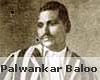
രാമചന്ദ്ര ഗുഹ പറയുന്ന ഏറ്റവും പ്രധാന കഥ പുനെയിലെ പല്വാന്കര്‍ സഹോദരന്മാരുടെയാണ്. ദളിത് വിഭാഗത്തില്‍ പെട്ട ചാമാര്‍ ജാതിയില്‍ ജനിച്ച പല്വാന്കര്‍ സഹോദരരില്‍ പ്രധാനി മൂത്തയാളായ ബാലൂ പല്വാന്കര്‍ ആയിരുന്നു. ബാലൂ 1880-കളില്‍ പൂനെ ജിമ്ഖാനയില്‍ പിച്ച് വെട്ടി തെളിക്കുന്ന ഒരു തൊഴിലാളി ആയിരുന്നു. പിച്ച് വെട്ടി തെളിക്കുന്നതിനിടയിലും, റോള് ചെയ്യുന്നതിനിടയിലും, നെറ്റ് കെട്ടുന്നതിനിടയിലും ബാലൂ ഉയര്‍ന്ന ജാതിക്കാര്‍ കളിക്കുന്ന കളി ശ്രദ്ധിക്കുമായിരുന്നു. ചിലപ്പോള്‍, സ്ഥലത്തെ പ്രമാണി ബാറ്റു ചെയ്യാന്‍ വരുമ്പോള്‍ ബാലുവിനോട് നിരന്തരം പന്തെറിയാന്‍ പറയുമായിരുന്നു. പക്ഷെ, ഒരിക്കലും ബാറ്റു ചെയ്യാന്‍ ബാലുവിനെ അവര്‍ അനുവദിച്ചില്ല. എങ്കിലും, മെല്ലെ, കടുത്ത പരീക്ഷണങ്ങളെ അതിജീവിച്ചു, ജാതി വ്യവസ്ഥക്ക് ഉള്ളില്‍ നിന്ന് കൊണ്ട് പോരാടി, ബാലു ഒരു പ്രഗല്‍ഭ ഇടംകയ്യന്‍ ബൌളര്‍ ആയി. പൂനെ ബ്രാഹ്മണര്‍ മാത്രം കളിച്ചിരുന്ന ടീമില്‍ അംഗം ആയി. പിന്നീട്, പൂനെയില്‍ നിന്നും ബാലു മുംബൈയ്യിലേക്ക് വന്നു. അവിടെ ഒരു ടീമില്‍ ചേര്‍ന്നു. എങ്കിലും, തന്റെ അവസാന മത്സരം വരെയും ഒരു ദളിതനായ ബാലുവിനെ ടീമിലെ പ്രധാന കളിക്കാരന്‍ ആയിരുന്നിട്ടും അവര്‍ ക്യാപ്റ്റന്‍ ആക്കിയിരുന്നില്ല. ഒരു സാധാരണ കളിക്കാരനായി ബാലു കളിയില്‍ നിന്നും റിട്ടയര്‍ ചെയ്തു. ക്രിക്കെറ്റിലെ ബാലുവിന്റെ ജീവിതം ഇന്ത്യയിലെ ദളിതരുടെ ജീവിതത്തിന്റെ തന്നെ ഒരു പരിചചെധമായിരുന്നു. ക്രിക്കെറ്റ് എന്ന കളിയെ വിമോചനത്തിന്റെ ഒരു രൂപമായി അവരില്‍ പലരും കാണാന്‍ ശ്രമിച്ചിരുന്നു. എന്നാല്‍, വെസ്റ്റ് ഇന്‍ഡീസ് പോലെയുള്ള രാജ്യങ്ങളില്‍ നിന്നും വിഭിന്നമായി, ആ രൂപത്തിന്റെ ആവിര്‍ഭാവത്തെ തന്നെ ഇന്ത്യയിലെ ജാതി വ്യവസ്ഥ തകര്‍ത്തു കളഞ്ഞു. ഈ ജാതി വ്യവസ്ഥക്കെതിരെ, അതിനെ താങ്ങി നിര്‍ത്തിയിരുന്ന ഭൌതിക സാഹചര്യങ്ങള്‍ക്കെതിരെ, ഒരു പോരാട്ടം നടന്നിരുന്ന പശ്ചാത്തലം ഈ കളിക്കാര്‍ക്ക്‌ ലഭ്യവുമായിരുന്നില്ല.

ബാലു എന്ന ഈ കളിക്കാരന്റെ പിന്നീടുള്ള ജീവിതവും രസകരമാണ്. റിട്ടയര്‍ ചെയ്ത ശേഷം ബാലു രാഷ്ട്രീയത്തില്‍ ചേര്‍ന്നു: കൊണ്ഗ്രെസ്സ് പാര്‍ട്ടിയില്‍. മെല്ലെ, ഗാന്ധിയും അംബേദ്‌കരും ചേര്‍ന്ന് ഒപ്പിട്ട വിവാദമായ പൂനെ പാക്ട് സംബന്ധിച്ച ചര്‍ച്ചകളില്‍ പ്രധാനിയായി. എങ്കിലും ഈ കളിക്കാരനെ ജാതി ചൂഷണം കൈവിട്ടില്ല. ബോംബെ മുനിസിപല്‍ കോര്‍പ്പോരേശന്‍ തിരഞ്ഞെടുപ്പില്‍ ഉയര്‍ന്ന ജാതിക്കാരായ കൊണ്ഗ്രെസ്സുകാര്‍ തന്നെ ബാലുവിനെ തോല്‍പ്പിച്ചു വിട്ടു. എന്തിനധികം, ഒടുവില്‍, കൊണ്ഗ്രെസ്സ് സ്ഥാനാര്‍ഥിയായി അംബേദ്‌കരിനു എതിരെ തന്നെ മത്സരിപ്പിച്ചു. ജയിച്ചില്ല. ഒടുവില്‍, ഒന്നുമാവാതെ അദ്ദേഹം രാഷ്ട്രീയത്തില്‍ നിന്നും വിരമിച്ചു.


ഇന്ത്യയില്‍, ക്രിക്കെറ്റ് ഒരു ജനകീയ കായിക രൂപമായി വളര്‍ന്നു വന്നിരുന്നത് പൂനെ, ബോംബെ, കല്‍ക്കട്ട, മദ്രാസ് തുടങ്ങിയ ചില നഗരങ്ങളില്‍ മാത്രമായിരുന്നു. ഈ പ്രദേശങ്ങളില്‍ ഒക്കെ തന്നെ ക്രിക്കെറ്റിനെ വിവിധ വിഭാഗം ജനങ്ങള്‍ ഏറെ അന്ഗീകരിക്കുകയും അതിന്റെ "സാമൂഹ്യ മനോഹാരിതയെ" ഉള്‍ക്കൊള്ളുകയും ചെയ്തിരുന്നു. ബാലു പല്വാന്കര്‍-ന്റെ ഉദാഹരണം ഇതാണ് കാണിക്കുന്നത്. ഈ അടുത്ത കാലഘട്ടത്തിലാണ്, ക്രിക്കെട്ടു കൂടുതല്‍ പ്രദേശങ്ങളില്‍ ഒരു ജനകീയ കായിക രൂപമായി വളര്‍ന്നു വന്നിട്ടുള്ളത്. ഉയര്‍ന്ന ജാതിക്കാരില്‍ നിന്നും മാറി മറ്റു ജാതിയില്‍ പെട്ടവരും മെല്ലെ ടീമുകളിലേക്ക് കടന്നു വരാന്‍ തുടങ്ങിയിട്ടുണ്ട്. വെസ്റ്റ് ഇന്‍ഡീസിലെ പോലെ ഒരു മാറ്റം ഇത് വഴി ഉണ്ടാവാം എന്നല്ല. അതെ സമയം, ക്രിക്കെറ്റിനെ വിവിധ ജാതി-വര്‍ഗ കൂട്ടായ്മകള്‍ കാണുന്നത് ഒരു പ്രത്യേക വീക്ഷണ കോണില്‍ കൂടെയാകാം എന്ന് മാത്രമാണ് പറയാന്‍ ഉദ്ദേശിച്ചത്. ഈ വീക്ഷണ കോണിനുള്ളില്‍ ഈ കായിക രൂപത്തിന് നാം സാധാരണ പ്രതീക്ഷിക്കാത്ത വിമോചനത്തിന്റെ അര്‍ത്ഥതലങ്ങള്‍ ഈ കൂട്ടായ്മകള്‍ കണ്ടേക്കാം. ക്രിക്കെറ്റിന്റെ ഈ രാഷ്ട്രീയമാണ് ജയിംസിനെ ഇങ്ങിനെ എഴുതിച്ചത്: "ഞാന്‍ അറിയുന്നതിന് മുന്‍പ് തന്നെ ക്രിക്കെറ്റ് എന്നെ രാഷ്ട്രീയത്തിലേക്ക് തള്ളി വിട്ടിരുന്നു. ഒടുവില്‍ ഞാന്‍ രാഷ്ട്രീയത്തില്‍ എത്തിയപ്പോള്‍, അധികം പഠിക്കാന്‍ ബാക്കിയുണ്ടായിരുന്നില്ല".

ഒരു ജനകീയ കായിക രൂപം എല്ലായ്പ്പോഴും ഒരു സമൂഹത്തിന്റെ പ്രതിഫലനമാണ്. ആ സമൂഹത്തിലെ ജനങ്ങളുടെ ദുഖവും സന്തോഷവും, ചൂഷണങ്ങളും സമരങ്ങളും, കായിക രൂപങ്ങളിലും കാണാന്‍ കഴിയും. ഈ കായിക രൂപങ്ങള്‍ ജനങ്ങളുടെതാണ്, ജനങ്ങളുടെ നിയന്ത്രണത്തില്‍ ഉള്ളതാണ്, എന്നത് കൊണ്ടാണ് അതിനു ജനങ്ങളുടെ മനസ്സുകളെ പ്രതിഫലിപ്പിക്കുവാനും സ്വാധീനിക്കുവാനും കഴിയുന്നത്‌. എന്നാണോ ഇവ ജനങ്ങളുടെതല്ലാതാകുന്നത്, അന്ന് ഈ കായിക രൂപങ്ങള്‍ക്ക്‌ അവയുടെ ജനകീയത നഷ്ടപ്പെടും. ഇന്നത്തെ മുതലാളിത്തത്തിന്റെ ഉയര്‍ന്ന ഘട്ടത്തില്‍, ക്രിക്കെറ്റിന്റെ വാണിജ്യവല്‍ക്കരണമാണ് ആ കായിക രൂപത്തിന്റെ ജനകീയതയെ ചോര്‍ത്തിക്കളയുന്നത്.

ക്രിക്കെറ്റിന്റെ വാണിജ്യവല്‍ക്കരണം

ഒരു ജനകീയ കായിക രൂപം അതിന്റെ സ്വാഭാവികതയും ചാരുതയും വിട്ടെറിഞ്ഞ്‌, ലാഭക്കൊതിയുടെ അടിമയായാല്‍ എന്താണ് സംഭവിക്കുക? ആ കായിക രൂപത്തിന്റെ രാഷ്ട്രീയം വഴി മാറുകയും, അല്ലെങ്കില്‍ രാഷ്ട്രീയം മറ്റു താത്പ്പര്യങ്ങലാല്‍ കൈവശപ്പെടുത്തപ്പെട്ടാല്‍, എന്താണ് സംഭവിക്കുക? ഇന്ന് ഇന്ത്യയിലെ ജനകീയ കായിക രൂപമായ ക്രിക്കെറ്റ് അഭിമുഖീകരിക്കുന്നത് ഈ പ്രശ്നം ആണ്.

മുതലാളിത്തം ചരിത്രപരമായി തന്നെ, ഒട്ടു മിക്ക ജനകീയ കായിക രൂപങ്ങളെയും വിഴുങ്ങി കളഞ്ഞിട്ടുണ്ട്. ക്രിക്കെറ്റില്‍ തന്നെ ബിസിനെസ്സ് താത്പര്യങ്ങള്‍ കടന്നു വരുന്നത് ഇത് ആദ്യമായിട്ടുമല്ല. ഇന്ത്യയില്‍ കഴിഞ്ഞ ഇരുപതോ മുപ്പതോ വര്‍ഷങ്ങള്‍ക്കു മുമ്പ് തന്നെ ഈ പ്രക്രീയ ആരംഭിച്ചിരുന്നു. എന്നാല്‍, ഐ പി എല്‍ എന്ന ടൂര്‍ണമെന്റിന്റെ വരവോടെ, ഈ വാണിജ്യവല്‍ക്കരണം പുതിയ മാനങ്ങളിലേക്ക് കടന്നിരിക്കുകയാണ്. പ്രശസ്ത ക്രിക്കെറ്റ് എഴുത്തുകാരനായ മൈക്ക് മാര്‍ക്കീസീയുടെ അഭിപ്രായത്തില്‍, ഇതാദ്യമായാണ് ലോകത്ത് ക്രിക്കെറ്റ് ടീമുകള്‍ സ്വകാര്യവല്‍ക്കരിക്കപ്പെടുന്നത്. ഇത് വരെയും രാജ്യങ്ങളോ അല്ലെങ്കില്‍ പ്രവിശ്യകളോ ആണ് ടീമുകള്‍ നിയന്ത്രിച്ചിരുന്നത്. അതായത് ഒട്ടു മിക്കതും ഒരു തരത്തില്‍ അല്ലെങ്കില്‍ മറ്റൊരു തരത്തില്‍ ജനകീയ നിയന്ത്രണത്തില്‍ ഉള്ളവയായിരുന്നു. എന്നാല്‍ ഐ പി എല്ലിന്റെ വരവോടെ നവലിബെരളിസത്തിന്റെ സ്വകാര്യവല്‍ക്കരണ സിദ്ധാന്തം ക്രിക്കെട്ടിലും പരീക്ഷിക്കപ്പെടുകയാണ് എന്ന് മാര്‍കീസി എഴ്ഴുതുന്നു. ബാംഗ്ലൂര്‍ ടീം ബാംഗ്ലൂരുകാരുടെയല്ല, മറിച്ച് മദ്യരാജാവായ വിജയ്‌ മല്ല്യയുടെതാണ്. മുംബൈ ടീം മുംബൈക്കാരുടെയല്ല, മറിച്ച് അംബാനി കുടുംബത്തിന്റെയാണ്. ബാംഗ്ലൂരും മുംബൈയും ജയിക്കേണ്ടത് ജനങ്ങളുടെ ആവശ്യമല്ല, മറിച്ച് മല്ല്യയുടെയും അംബാനിയുടെയും കീശയുടെ ആവശ്യമാണ്‌. ജനങ്ങള്‍ തങ്ങളുടെ ഉടമസ്ഥാവകാശം നഷ്ടപ്പെടുന്നു എന്ന് പലപ്പോഴും മനസ്സിലാക്കുന്നില്ല. അല്ലെങ്കില്‍ മനസ്സിലാക്കുമ്പോഴേക്കും വൈകി പോകുന്നു.

ടീമുകള്‍ മാത്രമല്ല ഇവിടെ ചരക്കുകള്‍. കളിക്കാരും അങ്ങിനെ തന്നെ. രാജസ്ഥാന്‍ റോയല്‍സ് ടീമിന് വേണ്ടി കളിചിരുന്ന രവീന്ദ്ര ജദേജയെ ഈ വര്ഷം ഐ പി എല്ലില്‍ നിന്നും പുറത്താക്കിയത് ഒരു പ്രത്യേക കാരണത്തിനായിരുന്നു. ടീം ഉടമസ്ഥന്‍ അറിയാതെ മറ്റൊരു ടീമിനോട് തന്നെ എടുക്കാന്‍ താത്പര്യമുണ്ടോ എന്ന് ചോദിച്ചു പോയി. ഇത് കരാര്‍ പ്രകാരം കുറ്റം. പഴയ ജന്മിയെ പോലെ ടീം ഉടമ പറഞ്ഞു: "നീ ഈ വര്ഷം കളിക്കണ്ട. പുറത്തിരുന്നോ". അതായത് തന്റെ സ്വന്തം അധ്വാന ശക്തി വിറ്റഴിക്കാന്‍ ആധുനിക മുതലാളിത്തത്തിനുള്ളില്‍ രവീന്ദ്ര ജധേജക്ക് അവകാശമില്ല.

കരാറുകള്‍ മുഴുവനും ഫ്രാഞ്ചിസീകളുടെ ലാഭ സാധ്യതകള്‍ വര്‍ധിപ്പിക്കാന്‍ ഉതകുന്നതാണ്. ലാഭ സാധ്യതകള്‍ക്ക് കോട്ടം തട്ടുന്ന എല്ലാ പ്രവണതകളെയും നിയമപരമായി തന്നെ അടക്കുകയാണ് ടീമുടമകള്‍. ടീമുകളാകട്ടെ, ടീമുടമകളുടെ വ്യവസായ താത്പ്പര്യങ്ങള്‍ സംരക്ഷിക്കാനും വളര്‍ത്താനും ഉള്ള ഉപാധികളാണ് പലപ്പോഴും. ബാംഗ്ലൂര്‍ ടീമിന്റെ പേര് തന്നെ "റോയല്‍ ചാലെന്ചെഴ്സ്" എന്നാണു. ഉടമസ്ഥന്‍ വിജയ്‌ മല്യയുടെ സ്വന്തം ബ്രാണ്ടാണ് "റോയല്‍ ചാലെന്ചെഴ്സ്" എന്ന വിസ്കി. പരസ്യത്തിനു വേറെ ചിലവഴിക്കണ്ടല്ലോ, ബാംഗ്ലൂരുകാരുടെ ടീമിന്റെ പേര് തന്നെ തന്റെ മദ്യ കുപ്പികാകുമ്പോള്‍ !


പലപ്പോഴും ഇംഗ്ലീഷ് പ്രീമിയര്‍ ലീഗ് ഫുട്ബോള്‍ ചൂണ്ടി കാട്ടിയാണ് പലരും ഐ പി എല്ലിനെ പിന്താങ്ങുന്നത്. എന്നാല്‍ 2008 - ഇല്‍ എഴുതിയ ഒരു ലേഖനത്തില്‍ തന്നെ മൈക്ക് മാര്‍കീസി തന്റെ ഇതിന്റെ കുഴപ്പങ്ങള്‍ ചൂണ്ടി കാട്ടിയിരുന്നു. അദ്ദേഹം എഴുതിയത് ഇങ്ങനെ:

ഐ പി എല്‍ ഭ്രാന്തിലേക്ക് എടുത്തു ചാടുന്നതിനു മുന്‍പ്, ക്രിക്കെറ്റ് പ്രേമികള്‍ ഇംഗ്ലീഷ് പ്രീമിയര്‍ ലീഗിന്റെ അനുഭവം ഓര്‍ക്കണം. കളിക്കളത്തിന് അകത്തും പുറത്തും കോഴ പണത്തിന്റെയും കൂറ് മാറ്റത്തിന്റെയും കഥകളാണ് അതിനു പറയാനുള്ളത്. എജെന്റുമാരും മാനേജര്‍മാരും അടങ്ങിയിട്ടുള്ള അഴിമതിയുടെയും കോഴക്കേസുകളുടെയും അനേകം കഥകള്‍ പുറത്തു വന്നു കൊണ്ടിരിക്കുന്നു. പത്രങ്ങളില്‍ മുഴുവനും, ഇരുപതു വയസ്സ് പോലുമാകാത്ത, അര്‍ഹിക്കുന്നതില്‍ കൂടുതല്‍ പണം സമ്പാദിക്കുന്ന, വിദ്യാഭ്യാസം നേടിയിട്ടില്ലാത്ത കളിക്കാരുടെ താന്തോന്നിത്തങ്ങള്‍ ദിവസവും കാണാം. ഐ പി എല്‍ നേരിടാന്‍ പോകുന്ന ഏറ്റവും വലിയ അപകടം ഇംഗ്ലീഷ് പ്രീമിയര്‍ ലീഗിന്റെ ഈ വഴിക്ക് അതും പോകാന്‍ പോകുന്നു എന്നതാണ്. ഇംഗ്ലീഷ് പ്രീമിയര്‍ ലീഗിന്റെ ഏറ്റവും ദുഷിച്ച പ്രവണതകള്‍ ആണ് ഐ പി എല്‍ ഏറ്റടുക്കാന്‍ പോകുന്നത്. ഇവിടെ പ്രശ്നം ഐ പി എല്ലിന്റെ ഇന്‍സ്റ്റന്റ് ഗ്ലാമര്‍ അല്ല, മറിച്ച് മറ്റൊന്നാണ്. ഇന്ഗ്ലാണ്ടില്‍ ഫുട്ബാള്‍ ക്ലബ്ബുകള്‍ വലിയ ബിസിനെസ്സുകള്‍ കയ്യടക്കിയപ്പോള്‍, ചരക്കിന്റെ (കളിയുടെ) ഏറ്റവും മൂര്‍ത്തമായ ചൂഷനതിലാണ് ശ്രദ്ധ വര്‍ധിച്ചത്. ഒപ്പം ഉണ്ടായത്, ഫുട്ബാള്‍ കളി ജനങ്ങളില്‍ നിന്നും കൂടുതല്‍ കൂടുതല്‍ അകന്നു പോയി എന്നതാണ്.

മാര്‍കീസിയുടെ വാക്കുകള്‍ ഐ പി എല്ലിന്റെ വിഷയത്തില്‍ സത്യമായി വന്നു എന്നതാണ് ശ്രദ്ധിക്കേണ്ട വിഷയം.

വിവിധ രാജ്യങ്ങളില്‍ നിന്നുമുള്ള കളിക്കാര്‍ ഒരു ടീമില്‍ കളിക്കുമ്പോള്‍, ഐ പി എല്‍ പോലുള്ള ടൂര്‍ണമെന്റുകള്‍ ക്രിക്കെറ്റിനെ സാര്‍വദേശീയവല്‍ക്കരിക്കുന്നു എന്നാണ് നമ്മുടെ സ്വന്തം "പഴയ മന്ത്രി" ശശി തരൂര്‍ പറയുന്നത്. "ഐ പി എല്ലില്‍ ഭൂതകാലം ഭാവിയെ ഒരു തരത്തിലും തടഞ്ഞു നിര്‍ത്തുന്നില്ല" എന്നാണ് അദ്ദേഹം പറഞ്ഞത്. മാര്‍കീസി ഈ വാദത്തെ തള്ളി കളയുന്നു. തരൂരിന്റെ ഈ അഭിപ്രായം ഒരു സ്വതന്ത്ര വിപണി ഉട്ടോപിയനിസതിന്റെ (free market utopianism) അഹങ്കാരമാണ് വെളിവാക്കുന്നത് എന്ന് മാര്‍കീസി പരിഹസിക്കുന്നു. ഭൂതകാലം ഭാവിയെ തടയില്ലെങ്കില്‍ എന്തിനാണ് തരൂരിന്റെ സ്വന്തം സര്‍ക്കാര്‍ തന്നെ പാകിസ്ഥാന്‍ കളിക്കാരെ ഐ പി എല്‍ കളിക്കുന്നതില്‍ നിന്നും വിലക്കിയത് എന്ന് മാര്‍കീസി തിരിച്ചു ചോദിക്കുന്നു. മാര്‍കീസി തുടര്‍ന്നെഴുതുന്നു:

ആധുനിക ലോകത്തിലെ ആദ്യ ടീം സ്പോര്‍ട്ട് ആയിരുന്നു ക്രിക്കെറ്റ്. പതിനെട്ടാം നൂറ്റാണ്ടിന്റെ അവസാനം ബ്രിട്ടീഷ്‌ വ്യവസായ വളര്‍ച്ചയുടെ കാലത്താണ് ഇത് വളര്‍ന്നത്‌ എന്നത് കൊണ്ടു തന്നെ, വ്യാവസായിക-പൂര്‍വ സമൂഹത്തിന്റെ പല സ്വഭാവങ്ങളും ക്രിക്കെറ്റിനുണ്ട്. ഒരു മാച്ചു കളിക്കാനെടുക്കുന്ന സമയം തന്നെ ഉദാഹരണം. അവിടെ നിന്നുമിങ്ങോട്ടു, ക്രിക്കെറ്റിന്റെ ചരിത്രം തന്നെ ഈ പഴയ കളിയെ ആധുനിക വിപണി അനുവദിച്ചു തരുന്ന ഇടുങ്ങിയ സ്ഥലത്ത് തിരുകികേറ്റാനുള്ള ശ്രമങ്ങളുടെതാണ്.

ഈ പ്രശ്നത്തെ പുതിയ രൂപത്തില്‍ സമീപിക്കേണ്ട സമയമായി എന്ന് തോന്നുന്നു. പല തരത്തിലും, ഐ പി എല്‍ ഇന്നത്തെ പ്രബല സംസ്കാരത്തെയാണ് പ്രതിനിധാനം ചെയ്യുന്നത്. ക്രിക്കെറ്റിനു പുറത്തു, വേഗത കൂടിയ, ഇടുങ്ങിയ, വിപണി-അധിഷ്ട്ടിതമായ ഒട്ടേറെ ആകര്‍ഷണങ്ങള്‍ ഇന്ന് ലഭ്യമാണ്. ക്രിക്കെറ്റിനു, നവ ലിബറല്‍ കാലഘട്ടത്തിലെ പ്രബല ആകര്‍ഷനങ്ങള്‍ക്ക് ഒരു തിരുത്തായി, ഒരു പുതിയ വ്യത്യസ്തമായ ആകര്‍ഷണം പ്രദാനം ചെയ്യാന്‍ കഴിയും. ഞാന്‍ ക്രിക്കെറ്റ് പ്രേമിയായത്, ആ കളിക്ക് അതിന്റേതായ ഒരു താളമുണ്ടായിരുന്നത് കൊണ്ടാണ്; പുറമെയുള്ള ലോകത്തിനു അളക്കാന്‍ കഴിയാത്ത ഒരു സമയക്രമം ഈ താളത്തിനുണ്ടായിരുന്നു. ക്രിക്കെറ്റിന്റെ താളം എന്ന ഈ ആകര്‍ഷണത്തെ ചൂഷണം ചെയ്യാന്‍ ഫ്രാഞ്ചിസികളുടെ ഉടമസ്ഥര്‍ക്ക് താത്പര്യം തീരെ ഉണ്ടാവില്ല. അത് കൊണ്ടാണ്, അവര്‍ ക്രിക്കെറ്റിന്റെ ഭാവിക്ക് ഒരു മാതൃക മുമ്പോട്ട്‌ വെക്കുന്നുണ്ടെങ്കില്‍ അത് ഒരു ഇരുണ്ട മാതൃക മാത്രം ആകുന്നതു.

ചുരുക്കത്തില്‍ പറഞ്ഞാല്‍, ഐ പി എല്‍, ഇന്നത്തെ ബിസിനസ്‌ മാതൃകക്കുള്ളില്‍, ക്രിക്കെറ്റ് എന്ന ജനകീയ കായിക രൂപത്തെ വാനിജ്യവല്‍ക്കരിക്കുക മാത്രമല്ല, തകര്‍ക്കുക തന്നെ ചെയ്യും. ആധുനിക ഫിനാന്‍സ് മൂലധനത്തിന്റെ കീഴില്‍ നടക്കുന്ന ഈ രൂപത്തിന്റെ വ്യവസായവല്‍ക്കരണത്തെ ശക്തമായി എതിര്‍ക്കുക തന്നെ വേണം. ക്രിക്കെറ്റ് ഒരു ജനകീയ കായിക രൂപമായി നിലനില്‍ക്കണമെങ്കില്‍, അത് ജനങ്ങളുടെ സ്വന്തമായി നില്‍ക്കണം. അതിനായി ജനങ്ങള്‍ തന്നെ മുന്‍കയ്യെടുത്തു മുന്പോട്ടിരങ്ങണം. നവലിബറല്‍ ഉട്ടോപ്പിയന്മാരെ ജനങ്ങള്‍ക്ക്‌ മുന്‍പില്‍ തുറന്നു കാട്ടാനാകണം. ക്രിക്കെറ്റിനെ സംരക്ഷിക്കാന്‍ ഇവരെ തോല്പ്പിച്ച്ചേ മതിയാകൂ.


Monday, September 14, 2009

Nandan Nilekani: On the backfoot

Karan Thapar of CNN-IBN interviews UIA Chairman Nandan Nilekani in Devil's Advocate.

Karan Thapar: Hello and welcome to Devil's Advocate. Why do we need a unique identification number and does the proposal itself make good sense. That's the key issue I shall explore today with the Chairman of the Unique Identification Authority, Nandan Nilekani.

Mr Nilekani, let me start with a simple question. It is said that 80 per cent of Indians have Election Commission identity cards, others have ration cards, some people have BPL cards, others have driving licence and passports, there are even PAN cards. Why on top of this do we need a unique identification number?

Nandan Nilekani: We need one single, non-duplicate way of identifying a person and we need a mechanism by which we can authenticate that online anywhere because that can have huge benefits and impact on public services and also on making the poor more inclusive in what is happening in India today.

Karan Thapar:When you say one online way of identifying a person, am I right in assuming what makes the unique identification different to anything else is that in addition to name, age, sex, date of birth and address, you actually have the individuals biometrics which are unique to that individual?

Nandan Nilekani: Absolutely. It is a combination of most probably fingerprints and picture and a biometrics committee will finalise that but finally that makes it unique. And we will also make sure that there are no duplicates. That's another important decision.

Karan Thapar:Let's come to the problems that are inherent in this task. First, the issue of technology. Quite simply, does the technology exist? I ask because the London School of Economics did an analysis and survey of a similar project that was being considered by the British Government and this is the conclusion that they have come to: “The technology envisioned for this scheme is to a large extent untested and unreliable. No scheme on this scale has been undertaken anywhere in the world. Smaller and less ambitious systems have encountered substantial technological and operational problems that are likely to be amplified in a large scale national system”. Now, if that is true of Britain it has to be true of India in spades?

Nandan Nilekani: There is no question that this is a project where we are going into uncharted territories, the technological challenges are immense and one of the risks of this project is the technology.

Karan Thapar: The technology is so essential to the project that I put it to you, this is not just uncharted territory, this could end up being a case of India's ambition outstripping its ability. After all, even today, we can't issue identity cards with a guarantee that the name is correct or that the address hasn't been misspelled. We could end up making a complete hash of biometric details.

Nandan Nilekani: There are certain risks in this project but I think given the enormous opportunity and developmental benefits that it can give, it's worth taking on the project and trying to mitigate the risks so that we get the outcomes that we want.

Karan Thapar: But you do accept that the technology is not just uncharted but at this moment not actually fully known?

Nandan Nilekani: There is no other country in the world where a billion peoples’ biometrics have been captured and stored in an online database. In that sense, it has not been done before.

Karan Thapar: We actually have to invent the technology for this size and scale of operation?

Nandan Nilekani: No, we don't have to invent the technology, we have to scale up the existing technology to work at this scale.

Karan Thapar: But it's such a fantastic scaling up that it's almost a reinvention.

Nandan Nilekani: It's not a reinvention but a scaling up.

Karan Thapar:The second problem inherent is the problem of cost. Once again, the London School of Economics (LSE) did an analysis of a similar project that the British government was thinking of, and that remember is a country which is one-twentieth the size of India and the LSE concluded that the probable cost for Britain would be between 10 to 20 billion pounds. Frontline magazine believes that the government in India has a guesstimate of somewhere around Rs 1.5 lakh crore. Is it worth it at that cost?

Nandan Nilekani: I don't agree with that estimate. I don't know what the exact figure is but it is much less than that by a factor of 10.

Karan Thapar: If you don't know the exact figure, how can you say it is lesser by a factor of 10?

Nandan Nilekani: The bulk part is certainly going to be lesser than that.

Karan Thapar: But it's a guess that you are giving me, isn't it?

Nandan Nilekani: It's a guess but it's an informed and educated guess.

Karan Thapar:So the truth is we don't know what the exact cost will be?

Nandan Nilekani: We don't know what the cost will be but I am very confident that whatever the cost is the social, economic and efficiency benefits of it would make it well worth it.

Karan Thapar:Let me question that. India is a poor country. I put it to you that this order of money could be better spent if you expand education, health and sanitation or if you use it to feed the 40 per cent of Indian children who are chronically malnourished.

Nandan Nilekani: We certainly don't want to take away money from important social programmes but remember that as we expand our social programmes, the efficiency of the social programme depends on the fact that they reach the right people and that there are no duplicates who are taking away the benefits which are meant for the poor. We need to make them more efficient. So you need the infrastructure at the bottom to make that happen.

Karan Thapar:There is no doubt that the unique identification number could play some role in targeting benefits better at people who deserve it, but when in India the prime need is education, health and particularly health for women and children, sanitation (700 million Indians do not have proper sanitation facilities), surely this money could be better used.

Nandan Nilekani: The investment of money in this project will actually make all those other monies be spent more efficiently. Think of it as an infrastructure for enabling you to spend money more effectively.

Karan Thapar:All of that depends on the assumption that technology can tackle these problems. Despite all the positive potential benefits of the project, the assumption that technology can actually tackle the ills of social inefficiency and social problems -- that's a huge assumption.

Nandan Nilekani: Certainly it's a huge assumption.

Karan Thapar:Maybe an unjustified one?

Nandan Nilekani: Look at it simply. You talked about maternal care, we have 10 million women who get health benefits under the JSY programme but we have to make sure that the right women get it before their pregnancy so their health will improve, the quality of the delivery will improve. These are all real social problems that this information can help you to solve.

Karan Thapar:Let me tell you why that is an inadequate example. You can only target better those women who are actually availing of the benefits but not receiving them fully. Take the example of BPL, it is a much better quoted example. The real problem in India is not that people who should receive BPL assistance do not get it properly and that there is leakage. The real problem is that there is a vast number of people who qualify and are not included in the BPL threshold at all. How will you be addressing the second problem?

Nandan Nilekani: What happens today in a particular state is that there may be more BPL cards than the population of the state because there are multiple cards issued to an individual. With the UID, you will be able to actually trim that down to one card per individual and therefore we will actually know who is not getting this now.

Karan Thapar:But what you can't do is to identify the people who should have BPL cards and do not have them because they are outside the system, they have been ignored. Technology won't improve that?

Nandan Nilekani: This (UID) is not a panacea for all the problems. This is an enabler which will allow more effective public delivery.

Karan Thapar:Which is why I say to you that the order of sum of money involved could be better spent in targeting education, sanitation and health not to mention child malnutrition because you would actually then get real benefits rather than what I am describing as 'notional benefits.'

Nandan Nilekani: Suppose in a country we are spending 100 to 200 thousand crores a year on different kinds of subsidies and social benefits, to make investment which is a part of that one time, to make those investments more efficient is definitely well worth it.

Karan Thapar:Is it a one-time investment? In fact, the Frontline magazine says that the government's estimate of Rs 1.5 lakh crore does not include recurring cost. The recurring cost could add to that and we don't know by how much?

Nandan Nilekani: On the scale of money that we spend on public programmes and the ability of the project to deliver better public programmes it will be well worth it.

Karan Thapar:That is the debate. We are leaping in the dark in the belief that technology would help us deliver our programmes better. But as you say the technology is not known, it has to be upgraded in such an enormous scale that I call it a reinvention although you dispute that. The cost itself is unknown, you agreed to that. And therefore I put it to you again, there are so many imponderables about technology, size and cost that is it wise for a poor country like ours, where there are huge levels of poverty (Arjun Sen Gupta Committee report says that 80 per cent of India live under Rs 20 a day), should we therefore be spending this sort of money on this project?

Nandan Nilekani: The Government has come to the conclusion that this project is stragetic and worth it. I have been invited to lead this project. I believe that it is viable and I will do my best to make it viable.

Karan Thapar:Let me come to the third inherent problem in the unique identification number project. How can you ensure that the database that you are creating will be secure and that it won't be misused and it won't, worst of all, result in an invasion of privacy?

Nandan Nilekani: That is a very legitimate concern. We are looking at the design as to how to make it secure. We are saying that nobody can read this database. All they can do is verify the authenticity of an identity. You can ask a question like -- is x x? and the only answer we will give is yes or no. So there is no data coming down from the pipe. But there is no question that once the UID is implemented and the UID becomes ubiquitous in many applications, then there are challenges of privacy and I think along with this project, we have to put in other checks and balances, including laws.

Karan Thapar:Can you ever put in sufficient checks and balances? You said that people can only verify against this database. They won't actually be able to read it, but professor Ian Angle of the LSE, a world renowned authority on precisely the creation of such database, says with relevance to England, and it will apply even more to India, that what you are going to end up with is the "Olympic games of hacking." You are going to provide people the biggest challenge to hack through. No one believes in the perfectability of computers, so hackers will hack and succeed.

Nandan Nilekani: This again is a legitimate concern but we will have to design it as good as possible.

Karan Thapar:Can you design it to prevent hacking?

Nandan Nilekani: We can certainly create checks and balances.

Karan Thapar:The risk of hacking can never be removed hundred per cent?

Nandan Nilekani: In every system, there will be people who will try to hack on it. Some are impenetrable, some are not. The important thing is -- is the risk of hacking and privacy large enough not to do this project? And the view is that the project has so many significant benefits for the poor in making it inclusive and in giving them a chance to participate in the country's progress, that it is worth it and we have to mitigate those risks.

Karan Thapar:In India, you are creating a system which in the wrong hands would be a powerful tool for either religious or caste profiling. How can you ensure that unscruplous politicians won't misuse it for their benefit and against your intentions and the best interest of the Indian people?

Nandan Nilekani: We are not keeping any profiling attributes in our database.

Karan Thapar:You mean you won't have any details of people's caste?

Nandan Nilekani: No.

Karan Thapar:In which case, how can you say to me that you will better target benefits at BPL and other categories because if you don't know someone is SC or ST, if you don't know that they are OBC, how can you ensure better targetting?

Nandan Nilekani: That is the responsibility of the applicant that provides those services.

Karan Thapar:So then they will add in that feature into your detail?

Nandan Nilekani: That is outside our system. Our system has only basic attributes like the name, address, date of birth.

Karan Thapar:When you say that it's outside your system, you are providing the fundamentals for someone else to misuse? But misuse, if not at your end, will happen later on.

Nandan Nilekani: There are databases today which are accessible and therefore along with this we have to create the necessary laws, checks and balances, the citizen oversight to guard against these things.

Karan Thapar:The first thing that you conceded or accepted is that even if there is no misuse at your end, there is a huge potential of misuse at the end of other people who have access and use it and add to it. What you are doing therefore is that you are creating a weapon which you may not misuse but others could?

Nandan Nilekani: Today itself we have electronic databases in the country which potentially can be used the way you are suggesting. We are not doing something different from what already exists.

Karan Thapar:You said a moment ago that you would create checks and balances. I put it to you that you can never create sufficient and the reason say is this -- In the UK, in the US and in Australia, because the authorities couldn't respond to public concerns about misuse, they have effectively put on the backburner consideration of similar schemes for those countries. Now if developed countries cannot tackle the problem of misuse, then how can India, where 35 per cent of the people are illiterate and 22 per cent live below the poverty line? How can India claim that we can tackle these problems?

Nandan Nilekani:What these developed countries have put on hold is giving national ID cards to people. But both the countries, US and UK have a number. For example in the US, you have the social security number, in the UK there is the national insurance number. They already have a numbering system, which is what we are going to propose.

Karan Thapar:Except for the fact that it is nowhere near as extensive or as complete in terms of the biometeric details as what you are proposing in India. The national insurance in Britain has been around and developing slowly but it doesn't have any details that could lead to an invasion of privacy. It doesn't have any details that can be misused for profiling. Yours could have both?

Nandan Nilekani: As I said, these are legitimate concerns and I think we have to address them in the public as well as in the laws and so on. But notwithstanding these concerns, the social benefit, the inclusivity that this project will provide for the 700 million people in this country who are outside the system is immense enough to justify doing this project.

Karan Thapar:Can I challenge that justification? You are making it as an assertion, you are making it perhaps as a system of belief but what's the proof that the benefit will actually justify the risk?

Nandan Nilekani: The benefit is a profound benefit because the poor who don't have identity in this country will be able to get an identity, it will empower them, it will help to meet their aspirations, they are the people for whom this is being done and I do believe they will benefit greatly from this number.

Karan Thapar:you talk of giving people an identity but the problem is you are not a demographer, you are a technocrat. How are you going to handle the inevitable problems of internal migration or illegal immigration which are going to bedevil your scheme. How are you going to ensure that the wrong people aren't captured in your system and given an identity and made Indian?

Nandan Nilekani: Having this number does not confer any rights, benefits or any entitlements. All it does is confirm that X is X.

Karan Thapar:There are hundred ways of doing that. Why are we spending close to Rs 1.5 lakh crore on this project just to be able to claim X is X?

Nandan Nilekani: To have a system which uses a unique identifier like biometrics, having a system which ensures there are no duplicates and having a system that provides online authentication is, we believe, something that can have a lot of social benefits for the poor.

Karan Thapar:I won't question that belief although I call it a catechism of faith. One either accepts it on faith or one doesn't

Nandan Nilekani: I am not a high priest of technology.

Karan Thapar:I will end by quoting the conclusion the LSE came to when they reviewed a potential British concept along the lines of what you are doing in India: "The success of a national identity system depends on a sensitive cautious and cooperative approach involving all key stakeholders, including an independent and rolling assessment and regular review of management practices," and the LSE concluded that did not exist in the UK. If it does not exist in the UK, that environment certainly doesn't exist in India?

Nandan Nilekani: We are trying to make sure that all the checks and balances are there. We will have a very wide consultative process. We will involve everybody. We will make it public. All these are legitimate concerns and we have an obligation to meet these concerns.

Karan Thapar:I Hope you succeed. A pleasure talking to you.

Nandan Nilekani:Thank you.

Sunday, August 2, 2009

Is economic recovery so easy?

One of my friends sent me this interesting story on the economic crisis and recovery from it; read the story and my response to it below. I suggest that you read the story, and then think whether the story can be true. With your response in hand, read my response. R

================
It is the month of August, on the shores of the Black Sea. It is raining, and the little town looks totally deserted. It is tough times, everybody is in debt, and everybody lives on credit.

Suddenly, a rich tourist comes to town. He enters the only hotel, lays a 100 Euro note on the reception counter, and goes to inspect the rooms upstairs in order to choose one.

The hotel proprietor takes the100 Euro note and runs ot pay his debt to the butcher.

The butcher takes the 100 Euro note, and runs to pay his debt to the pig grower.

The pig grower takes the 100 Euro note, and runs to pay his debt to the supplier of his feed and fuel.

The supplier of feed and fuel takes the 100 Euro note and runs to pay his debt to the town's prostitute that in these hard times, gave her "services" on credit.

The hooker runs to the hotel, and pays off her debt with the 100 Euro note to the hotel proprietor to pay for the rooms that she rented when she brought her clients there.

The hotel proprietor then lays the 100 Euro note back on the counter so that the rich tourist will not suspect anything.

At that moment, the tourist comes down after inspecting the rooms, and takes his 100 Euro note, after saying that he did not like any of the rooms, and leaves town.

No one earned anything.

However, the whole town is now without debt, and looks to the future with a lot of optimism.....

And that is how the United States is doing business today.

================

Is this true? My response is the following:

Assume the Russian is a banker, who gave a 100E zero-interest loan to the hotel owner. Thats all.

This is precisely the economic purpose of credit, of financial intermediation. The story cleverly ends by saying "There was no profit or income." Correct. But there is a loss. When the hotel owner gave the 100 back to the Russian, it is not a no profit-no loss end to the story. The prostitute actually owed the hotel owner 100, and he never got to enjoy it. It continues to be a loss to the hotel owner; technically, he is poorer by 100! The 100 did not disappear; it is very much there!!

Yet, the whole chain has had economic values to certain others. It is this multiplier effect of credit that is important in generating economic activity.

Now when will economic crisis occur? "The Russian came down. But the prostitute hadn't arrived." !!!

Saturday, June 6, 2009

Welcome to Sajjanpur: A Review

(I wrote this in September 2008...)


Welcome to Sajjanpur!

Sajjanpur is a village, somewhere in central India, whose story of change is an important backdrop in Shyam Benegal’s film “Welcome to Sajjanpur”. Most reviews of the film have noted that the film is a beautiful comedy set in a simple village. For some reason, while I was watching the film, I got stuck to the context in which Benegal was setting up the story. I enjoyed the comedy, but got increasingly interested in the context as the film progressed. I still do not know if Benegal deliberately set that kind of a context, but it was striking.

Mahadev Khushwaha (Shreyas Talpade) is a young boy in Sajjanpur, who happens to be the only local graduate. Sajjanpur is largely illiterate, and Mahadev is the letter-writer as well as letter-reader there. The whole film revolves around his experiences around the letters he writes for others; he is the medium for us to know more about others’ lives. There are standard movie reviews in the net, and I would not get into discussing the story.

We note that Mahadev is an OBC boy, and his portrayal as the only graduate probably points to the more recent growth of education (and aspirations) among OBCs in rural India. The other members of the village, whose social roles form the movie’s context, are interesting. The most powerful person in the village is Ram Singh (Yashpal Sharma), obviously a landlord from an upper caste, but who has an additional and transformed role as a gun-wielding political leader. Ram Singh’s all-out effort to contest in the panchayat elections records the rising effort of landlords and upper caste groups in rural India to reaffirm their socio-economic hegemony by capturing local political structures. He successfully tries to push out a Muslim woman from the contest by raising the bogey of an ISI link. But then he bumps on to a new entrant: Munnibai, a eunuch (who tells Ram Singh, “main aisi taisi nahi janti, bus democraisi janti hoon!”

Ram Singh tries to harass Munnibai in many ways, but she is just unperturbed. The character of Munnibai is so wonderfully crafted that it comes out as an extremely sensitive celebration of transsexual identity in modern India. In the face of great trauma that Ram Singh tries to bring to her life, Munnibai takes Mahadev’s help to write a complaint to the District Collector. The state steps in, the Collector provides protection to Munnibai and she wins the elections. A moment of celebration for the villagers, freed at least symbolically, from Ram Singh, the landlord-politician. But Ram Singh strikes back, by shooting down her fellow activists and simply driving away in his bike.

Here, (I think) Benegal reminds you of some basic stuff. It is that even the little deepening of local democracy in rural India after the 73rd and 74th amendments is continuously stifled by the dominating upper-caste landlords. Elsewhere, while introducing Ram Singh, we hear that how his family member had raped a minor girl and how he had tampered with evidence to get him out. His justification is absolutely hilarious, but strikes one as a gory reality of caste discrimination in modern India.

There is another take on caste in the film. Mahadev’s friend Ramkumar (Ravi Kishan) is a hospital assistant, who falls in love with Sobharani, a widow (Rajeshwari Sachdev). Mahadev’s letter-writing skills works for Ramkumar, who manages to woo her, and her father-in-law, who agrees to marry her to him. This episode is again hilarious to the hilt, and you momentarily enjoy the approval for a widow remarriage. But we are told at the end that they actually belonged to different castes and the caste leaders had honour-killed them and hung them. That strikes one really hard. No similar revelations are made about Ram Singh.

Benegal has some more interesting threads woven into the story. He shows us the continuing dominance of the informal financial sector in the village, when Mahadev is shown running to a rich peasant to borrow Rs 50,000 at a usurious interest. He also shows us the new commercial interests of banks, when the bank manager offers the young and enterprising “capitalist” farmer a car loan with lower interest rate over a tractor loan with a higher interest rate. He angrily texts the manager from his mobile (again via Mahadev): “Abey, main car se zameen khodoonga kya?”

One turning point in the film is when we are told the story of a young man, who found agriculture unviable and migrated to the city for work. To keep his loving wife with him in the city, he is forced to sell a kidney.

Nevertheless, also runs through the film, a strange romanticisation of the “idyllic” village life and agriculture-based livelihoods. Two instances are striking. First, there is a street play against the new “small car” factory coming up near the village. We learn later that Mahadev is the author of that street play, and he is scared of getting branded a Naxalite. This story did appear an over-stretched insertion.

The second instance is more striking, here I may be over-stretching. We are told that Sajjanpur was earlier called Durjanpur. Durjanpur was a land of Sajjans. In the 1950s, Prime Minister Nehru visited Durjanpur, and decided that the village should be called Sajjanpur. From then on, the number of Durjans had increased in the village! Did Benegal want to show Nehru as symbolic of industrialization and modernity? If so, is Ram Singh too a “modern” phenomenon, unconnected with land ownership?

These notes may give you the impression that the film is largely a gory film. Far from it. It is an outright comedy. Almost all the violent incidents are in fact shown in absolutely hilarious terms – for instance, when Ram Singh explains how the minor girl was raped. But behind the comedy, Benegal has told us the story of changing rural India. There is a growth of grassroots democracy, albeit imperfect, but it is consistently thwarted by landlords and upper castes. There is growing assertion among women for everyday freedoms, but it is strongly circumscribed by the walls of caste and superstition. As Benegal preferred to put it in an interview, the film is indeed a comedy, but “also deals with serious issues.”